Osteopathy - How we treat
Your medical history
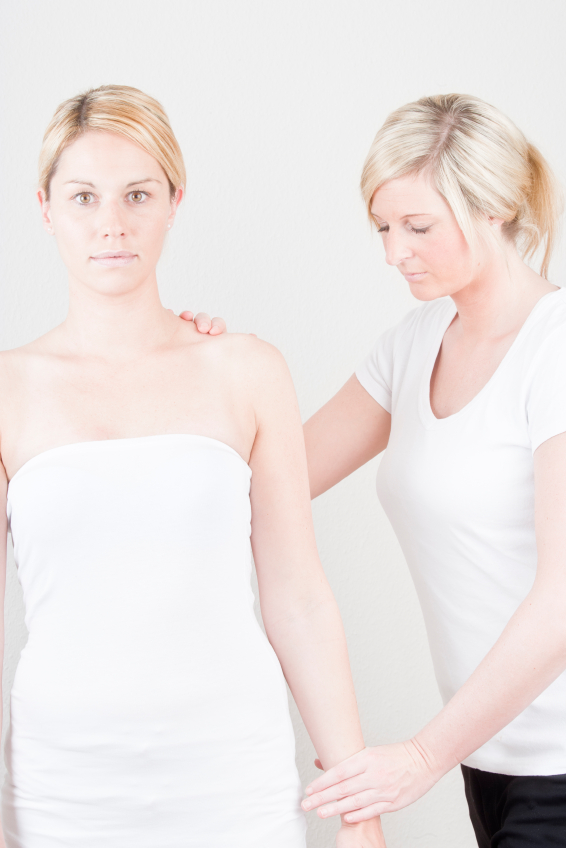
Before we start to treat you, we will make a full medical assessment. We take time to listen to you and ask questions to make sure we understand your medical history and your day-to-day routine. We’ll ask you about things like diet, exercise and what is happening in your life, as these may give clues to help our diagnosis.
We may feel your pulse and check your reflexes. We may also take your blood pressure and refer you for clinical tests, such as x-rays, if we think you need them.Osteopaths use a wide range of gentle manipulations, depending on your age, fitness and diagnosis. Treatment is different for every patient but may include techniques such as different types of soft tissue massage and joint articulation to release tension, stretch muscles, help relieve pain and mobilise your joints. Sometimes, when we move joints you may hear a ‘click’. This is just like the click people get when they crack their knuckles.
In carrying out treatments, osteopaths call upon what is probably the largest range of techniques used in any manual therapy.
These include:
- Massage and stretching techniques.
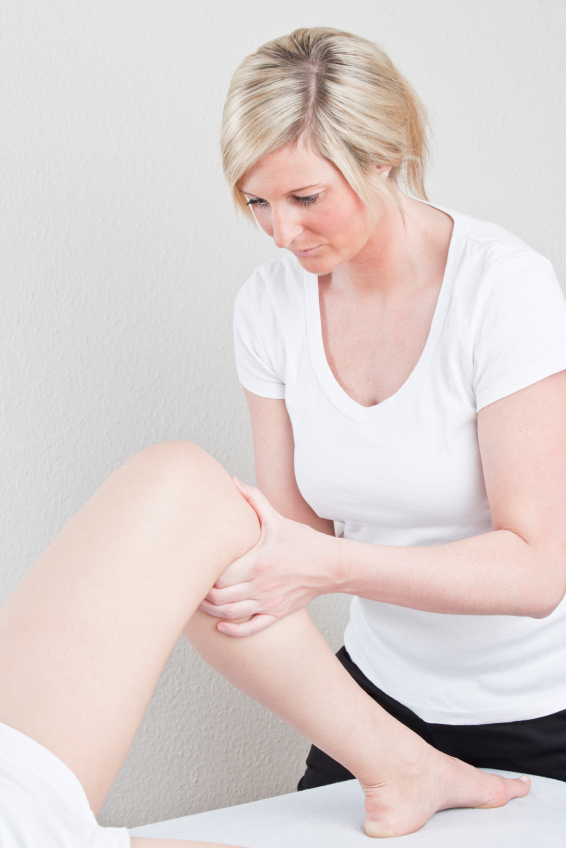
- Articulation techniques, in which joints are mobilised by being passively taken through their range of motion.
- Muscle energy techniques, in which contracted muscles are released by alternately being stretched and made to work against resistance.
- Counterstrain techniques, which achieve release of restriction by placing the affected joint or muscle in a position of comfort, while applying a "Counter" stretch to the antagonists of the tight muscles;
- Functional techniques, which involve gentle mobilisation of joints in a way which "probes" barriers to normal movement until a way is found through the restriction;
- Manipulation, which may be used where it is appropriate and safe to do so, though it is not the mainstay of most Osteopathic treatments. Osteopathic manipulations are carried out using minimum force levels in order to maximise safety and minimise patient discomfort.
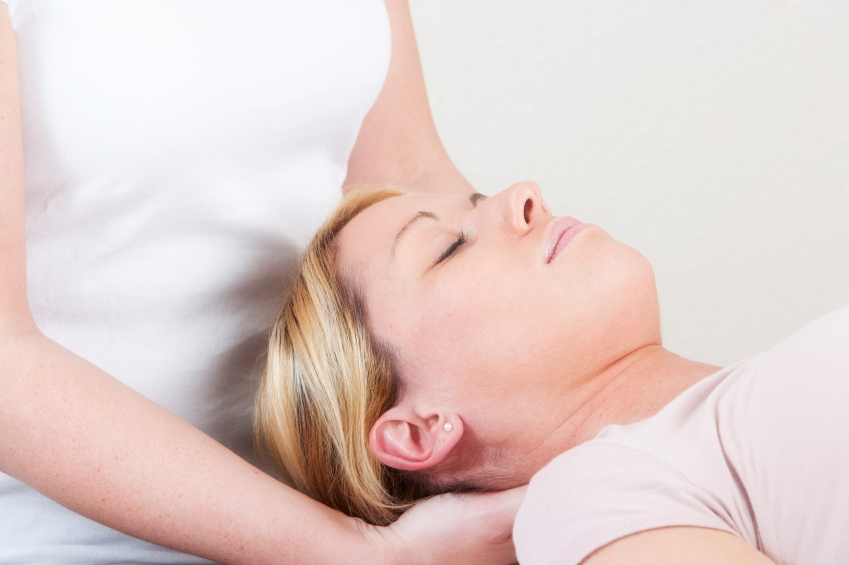
- Cranial Osteopathy which is a refined and subtle type of osteopathic treatment that encourages the release of stresses and tension throughout the body, including the head. It is a gentle yet extremely effective approach and may be used in a wide range of conditions for people of all ages, from birth to old age. Cranial osteopathy embraces all osteopathic specialties.
- Visceral techniques are used in the management of conditions affecting internal organs. These involve gentle and rhythmical stretching of the viscera and their attachments.
- We may discuss exercises that you can do to improve posture, flexibility and movement in your workplace and everyday life.
Is osteopathic treatment safe?
There is no such thing as a form of medical treatment that is 100% guaranteed safe in every case. Even the painkillers you buy in a supermarket may cause severe side effects in some patients. That said, osteopathy has one of the best safety records of any medically-related profession. Osteopaths are trained to recognise any condition that might make osteopathic treatment inadvisable, and will refer patients for appropriate medical attention in such cases. Just as a doctor regards safety as the most important factor in selecting the appropriate medication for a particular patient, so an osteopath will also select the most appropriate style of treatment with safety as the prime consideration. Your osteopath will discuss with you any risk associated with a particular treatment.